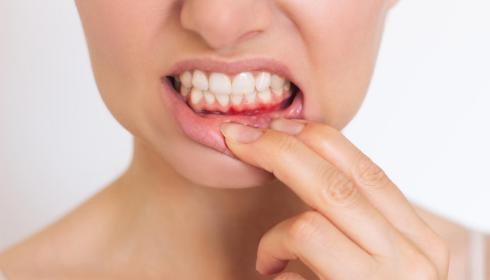
Receding gums don’t happen overnight. It’s a slow shift that many people miss until teeth start looking “longer” or sensitivity kicks in. Gum tissue is supposed to snugly cover the tooth root; when it pulls back, roots get exposed and problems pile up.
Early signs include slight notches near the gum line, visible colour changes where enamel meets root, or feeling like the tooth edges are sharper than before. You might also notice occasional bleeding when brushing or flossing, or mild sensitivity to cold.
Common causes are gum disease, aggressive brushing with a hard brush, clenching or grinding, misaligned teeth, or long-term tobacco use. Sometimes it’s a combination of factors slowly wearing away the protective margin.
Switching to a soft-bristle brush and gentle technique is a cheap, powerful change. Don’t saw back and forth; use small circles or angled strokes. If grinding is an issue, a night guard may help reduce pressure. And of course, quitting smoking benefits your gums as much as your lungs.
A dentist can measure gum levels and pockets, clean deeper areas, and in some cases suggest procedures to restore coverage. The sooner you pay attention, the more tissue you can preserve. Ignoring receding gums can eventually mean loose teeth and costly treatments.