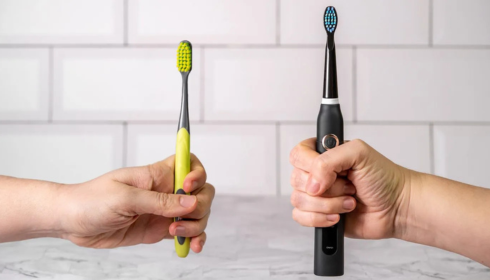
Toothbrush aisles are overwhelming: soft, medium, charcoal-infused, angled heads, electric, sonic – it’s easy to think you need something fancy to get teeth truly clean. In reality, the most important factors are much simpler.
First, bristle type: soft is usually best. Medium and hard brushes can scrub away enamel and irritate gums, especially if you’re an enthusiastic brusher. A small to medium-sized head that can easily reach the back molars is more useful than a giant, padded brush that feels bulky.
Manual vs electric comes down to preference and technique. A good electric brush can help people who struggle with manual dexterity or tend to rush. It can make correct brushing motions easier and often has timers. But a simple manual brush, used twice daily for two minutes with proper technique, can do an excellent job.
What doesn’t matter as much? Flashy colours, gimmicky bristle shapes, or extreme marketing claims. Change your brush or head every 3–4 months, or sooner if the bristles are splayed; worn-out bristles don’t clean well.
If you’re unsure, ask your dentist which type might suit your mouth and habits. The best brush is the one you actually use correctly every day, not the most expensive one staying in its box.