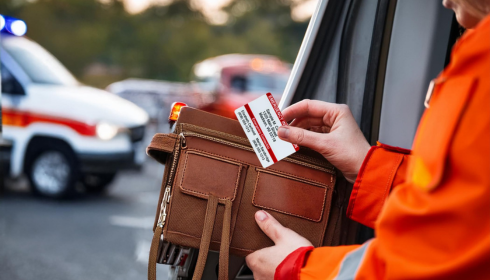
In an emergency, you might not be able to speak for yourself. That’s where a small, simple emergency health card can make a big difference. It’s quick to create and easy to carry in your wallet or phone case.
At minimum, include your full name, age, and an emergency contact with phone number. Add any major medical conditions you have, such as diabetes, heart disease, epilepsy, or severe allergies. List important medicines you take regularly, especially blood thinners, insulin, or seizure medicines.
Allergies to drugs, foods, or substances like latex should be clearly written. If you have an implanted device – like a pacemaker – noting that can help doctors act faster. Your blood group is useful but not critical; hospitals can test it.
You don’t need to share every detail of your life, just what would help a doctor make safe decisions in the first minutes of care. Some people also keep a photo of their latest prescriptions on their phone as backup.
Updating the card when your medicines change is important. It’s a small step that you hope never becomes crucial – but if it does, you’ll be glad you took it.