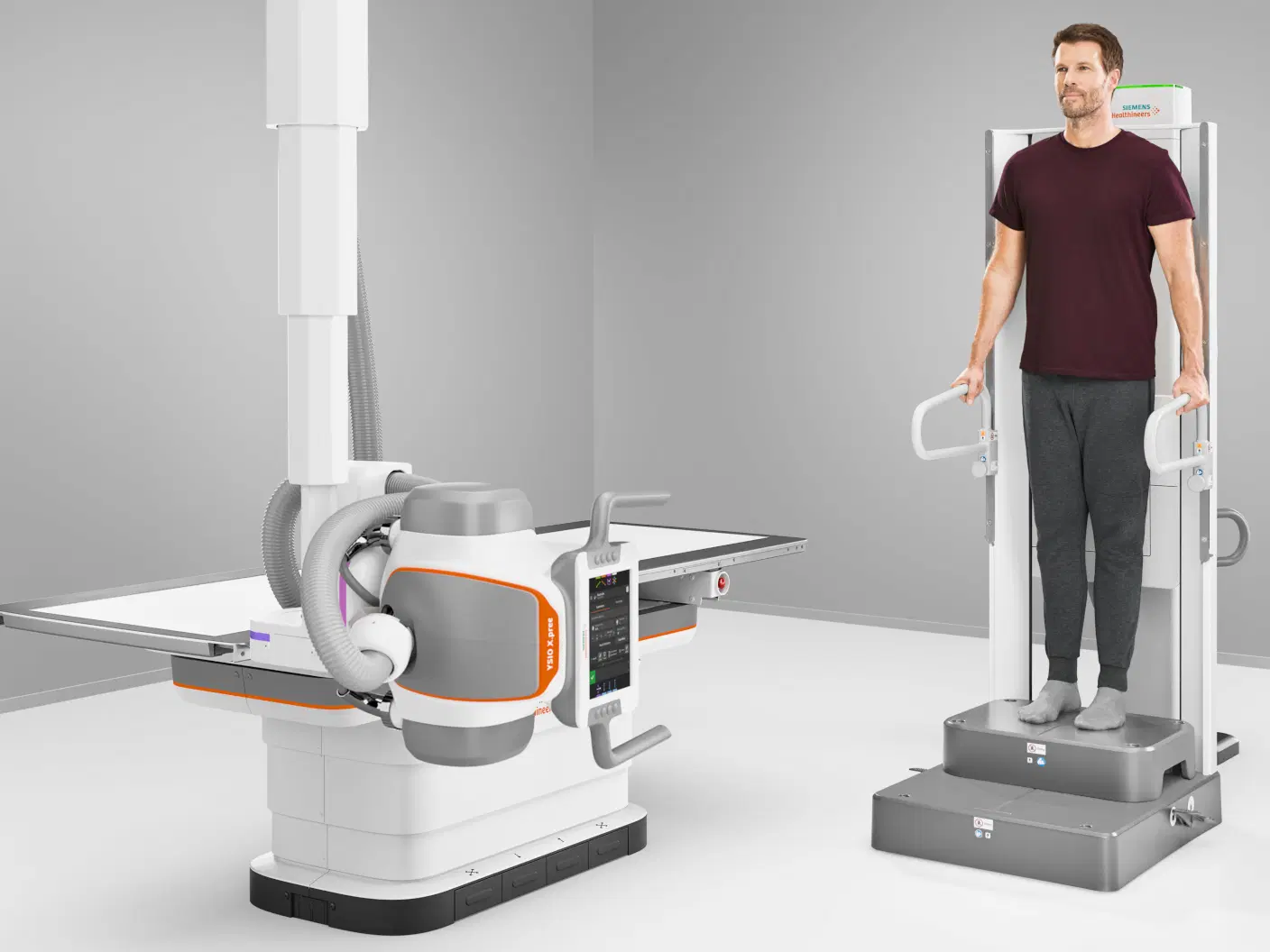
Medical imaging has changed significantly with the shift from traditional film-based methods to digital technologies. Among these developments, digital radiography system solutions have become an important part of modern diagnostic imaging. They allow healthcare professionals to capture, process, store, and share X-ray images electronically.
What Is a Digital Radiography System?
A digital radiography system uses digital detectors instead of conventional X-ray film to capture images. Once an exposure is completed, the detector converts the information into a digital image that can be viewed on a workstation.
This process can reduce the steps involved in traditional film-based radiography. Images can also be transferred electronically, making it easier for authorised healthcare professionals to access them when required.
Understanding DR Imaging Technology
The main advantage of DR imaging is the way it fits into a digital clinical workflow. Images can be reviewed shortly after acquisition, which can help radiographers identify whether another image is needed before the patient leaves the examination area.
Modern detectors are designed to provide detailed image information while supporting efficient examination workflows. Depending on the equipment and clinical application, digital imaging can be used for routine examinations involving areas such as the chest, spine, abdomen, and extremities.
How DR Radiology Solutions Support Workflows
Healthcare facilities handle large numbers of examinations every day. Efficient DR radiology solutions can help simplify several stages of this process, from image acquisition to review and storage.
A well-designed digital workflow can reduce unnecessary handling of physical films and make images easier to distribute across connected departments. This can be particularly useful when radiologists need to review examinations from different locations within a healthcare facility.
Image Quality and Diagnostic Support
Image quality is one of the most important considerations when selecting a digital radiography system. Clear images help radiologists assess anatomical structures and identify relevant findings.
Digital systems can also provide image-processing tools that help optimise how radiographs are displayed. However, image quality depends on several factors, including detector performance, exposure settings, positioning, equipment maintenance, and the expertise of radiographers.
Improving Patient Experience
Technology can also influence the patient’s experience. Faster image availability may reduce waiting between examination and review. In busy departments, an efficient DR imaging workflow can help staff manage examinations without adding unnecessary steps. Portable and flexible DR radiology solutions can also be useful in situations where patients cannot easily move to a conventional imaging room.
Conclusion
Digital radiography continues to play an important role in modern diagnostic imaging. With faster image availability, electronic workflows, and flexible applications, DR imaging can support more efficient radiology departments. Well-planned DR radiology solutions can also contribute to smoother patient journeys and better coordination between imaging professionals.
For healthcare facilities seeking dependable digital imaging technology, the provider behind the solution should offer a combination of imaging expertise, advanced technology, workflow-focused systems, and long-term support. Its portfolio is designed to help radiology teams improve everyday imaging processes while maintaining a strong focus on image quality and clinical efficiency.