Joint pain can quietly affect your daily life—walking becomes uncomfortable, climbing stairs feels like a task, and even simple movements start to hurt. Thankfully, medical advancements have made treatment more accessible than ever. Today, Orthopedic treatments in India are known for their effectiveness, affordability, and growing technological support, making the country a preferred choice for patients seeking quality care.
The Rise of Orthopedic Excellence in India
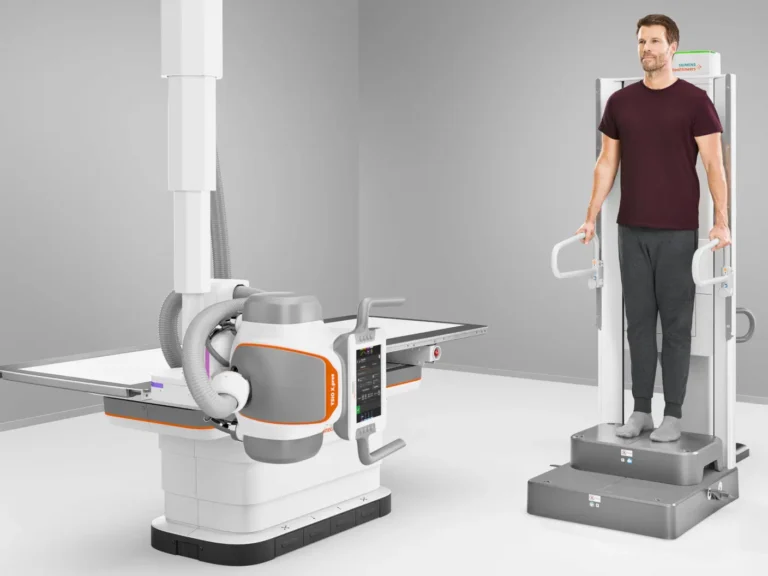
India’s healthcare system has seen a steady transformation, especially in orthopedics. Large hospitals in cities like Delhi, Mumbai, Chennai, and Bengaluru are equipped with modern surgical tools and advanced diagnostic facilities.
At the same time, tier-2 cities are developing strong orthopedic departments, which means patients no longer need to travel far for treatment. This wider availability of care has made a noticeable difference, especially for elderly patients who prefer treatment closer to home.
Common Conditions Treated by Orthopedic Specialists
Orthopedic doctors deal with a variety of bone and joint-related problems. Some of the most common issues include arthritis, fractures, ligament injuries, and chronic back pain.
For mild conditions, treatment may involve medication, physiotherapy, or lifestyle changes. However, when pain becomes severe or mobility is significantly affected, surgical options are often considered. Early consultation is important because delaying treatment can worsen the condition over time.
Understanding Joint Replacement Procedures
For patients suffering from severe joint damage, Joint replacement surgeries in India have become a reliable solution. These procedures typically involve replacing damaged knee or hip joints with artificial implants designed to mimic natural movement.
What’s changed in recent years is the level of precision. With the help of robotic-assisted surgery and advanced imaging, doctors can perform procedures more accurately. This leads to smaller incisions, less pain after surgery, and faster recovery times. Many patients are able to resume normal activities within weeks, which wasn’t always possible before.
Choosing the Right Orthopedic Doctor
Finding the right specialist is a crucial step in the treatment journey. Orthopedic doctors often specialize in specific areas such as joint replacement, sports injuries, or spine disorders. Choosing someone with relevant experience can significantly improve outcomes.
Beyond qualifications, communication matters too. A good doctor will take time to explain your condition, discuss treatment options, and guide you through recovery. It’s also helpful to choose a hospital with strong support services like physiotherapy and rehabilitation.
Recovery and Rehabilitation: The Often Overlooked Step
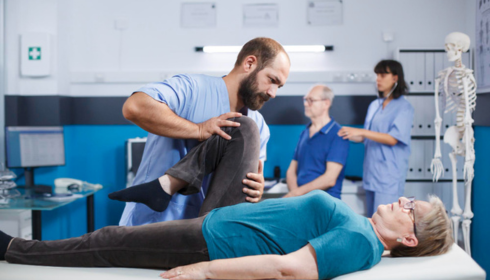
Many people assume that surgery is the final step, but recovery plays an equally important role. Physiotherapy helps restore strength, improve flexibility, and ensure proper healing.
Patients who actively participate in rehabilitation programs tend to recover faster and achieve better results. Skipping or delaying this phase can lead to stiffness or incomplete recovery. So, consistency and patience are key here.
Cost and Accessibility of Orthopedic Care
One of the biggest advantages of getting treated in India is the cost factor. Compared to Western countries, orthopedic procedures are significantly more affordable while maintaining high standards of care.
Private hospitals offer advanced facilities and shorter waiting times, while government hospitals provide cost-effective options for those on a budget. Health insurance coverage has also improved, making major procedures like joint replacements more accessible to a wider population.
Technology Is Transforming Orthopedic Treatments
Technology has quietly revolutionized orthopedic care. From 3D imaging to customized implants, treatments are becoming more precise and personalized. Robotic-assisted surgeries are also gaining popularity, helping surgeons achieve better alignment and long-term results.
In addition, teleconsultations and digital health monitoring tools allow patients to stay connected with their doctors even after surgery. This ongoing support improves recovery outcomes and provides peace of mind.
Final Thoughts
Orthopedic care in India has evolved into a well-rounded system that combines skilled professionals, advanced technology, and affordability. Whether it’s managing joint pain or undergoing a complex surgery, patients now have access to reliable treatment options across the country.
The key is to act early, choose the right specialist, and stay committed to recovery. Because when it comes to mobility and quality of life, timely care can truly change everything.